Is Your AI Ad Image Costing You Clicks?
Artificial intelligence can make ad images for penny. New research shows when those savings pay off and why an artificial look can cost clicks.




Artificial intelligence can make ad images for penny. New research shows when those savings pay off and why an artificial look can cost clicks.

How do you turn complex research into compelling content? Dr. Rosalind Chow breaks down her role as a faculty influencer, exploring how public engagement, academic sponsorship, and expertise make authentic communication stand out.

Tepper School Professor Tim Derdenger and Ivan Li from the University of Texas at Dallas challenge the "rich get richer" narrative about Name, Image, and Likeness (NIL) in college football, revealing that it has increased competitive balance by distributing elite talent more widely and empowering a broader range of schools to attract top recruits.

Can the massive economic productivity gains from AI justify the $25 billion in annual environmental and public health damages caused by the rapid expansion of US data centers?

With algorithmic pricing, the cost of goods and services can respond to immediate market conditions and situations. Doctoral student Liying Qiu and researcher Nikhil Malik discuss what this means for consumers.
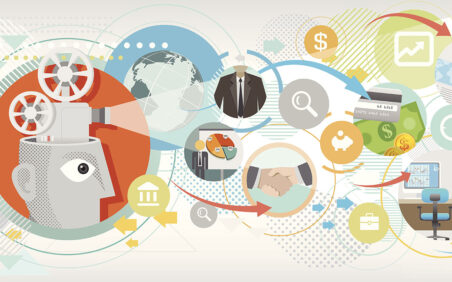
Tariffs are taxes on imported goods that aim to protect domestic industries but often come at a high cost to consumers by increasing prices and potentially harming overall economic growth.